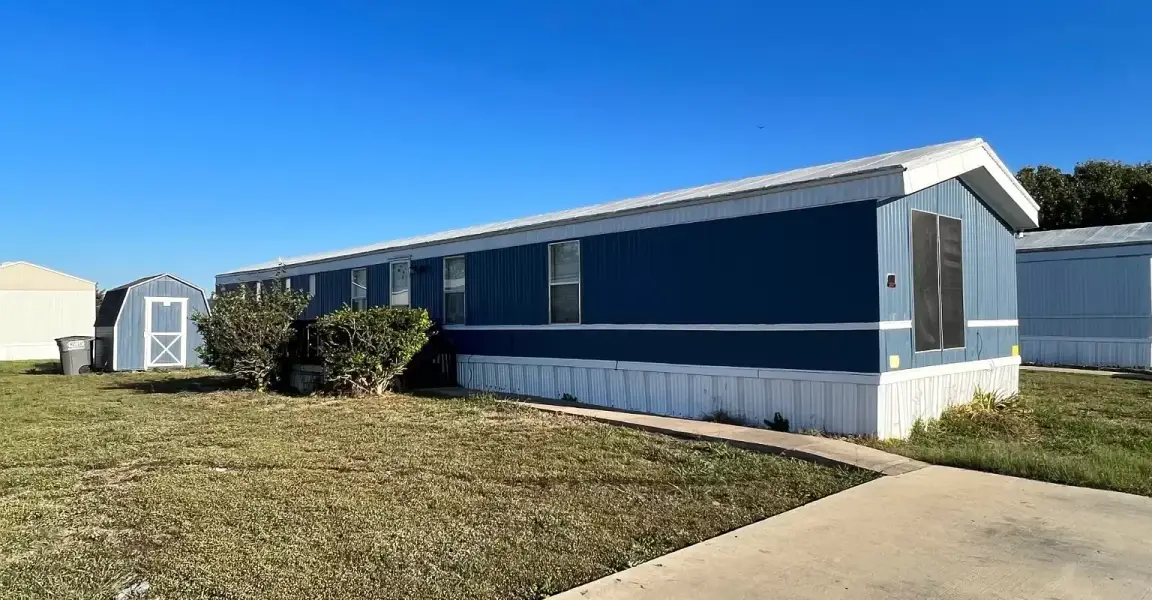

Moving a parent into assisted living or memory care is hard enough on its own. Then comes the question of what to do with the mobile home they’ve left behind. The home is suddenly empty, the lot rent is still due, and you may not be sure who is even allowed to sell it. This guide covers the practical side of selling a parent’s mobile home in Texas so you can focus on what matters most.
First Question: Who Has the Authority to Sell?
A mobile home in Texas can only be sold by its legal owner or by someone with legal authority to act for the owner. Ownership is recorded on a Statement of Ownership kept by the Texas Department of Housing and Community Affairs (TDHCA). Start by finding out whose name is on that record, then figure out which of these situations fits your family.
- Your parent can still sign. If your mom or dad understands the sale and is able to sign documents, they can sell the home themselves with your help. You can handle the phone calls, showings, and logistics while they sign the paperwork.
- You hold a durable power of attorney. If your parent signed a durable power of attorney naming you as their agent, and it covers property transactions, you can generally sign the sale documents on their behalf. Expect to provide a copy of the document as part of the ownership transfer.
- There is no power of attorney and your parent can no longer make decisions. In this case a family member may need to ask a court for guardianship before the home can be sold. This takes time and involves an attorney, so it’s worth starting early.
- The home is in two names. If a spouse or another relative is also listed as an owner, that person will usually need to be part of the sale.
If your parent is still able to make decisions but doesn’t have a power of attorney, now is the time to talk to an attorney about getting one in place. It is far simpler than guardianship later.
Talk to an Elder Law Attorney Before the Money Moves
This step gets skipped more than any other, and it can be an expensive mistake. If your parent may need Medicaid to help pay for long-term care, now or in the future, how the home is sold and what happens to the proceeds can affect their eligibility. Giving the home to a family member or selling it for far less than it’s worth can also cause problems.
A short consultation with an elder law attorney before you sell can answer questions like whether to sell now or wait, whose account the money should go into, and how the proceeds can be used for your parent’s care. We aren’t attorneys and this article isn’t legal advice, but we always encourage families to get that guidance first.
Why Waiting Usually Costs More
Many families leave the home sitting for months because nobody wants to make the decision. That’s understandable, but an empty mobile home is rarely free to keep:
- Lot rent keeps coming. If the home is in a park, the monthly rent is due whether anyone lives there or not, on top of whatever assisted living costs.
- Insurance can change. Many policies limit coverage once a home has been vacant for a period of time. Call the insurance company and ask.
- Vacant homes decline quickly. A small leak, a pest problem, or a frozen pipe can go unnoticed for weeks when no one is there.
- Park rules still apply. Some communities have rules about how long a home can sit empty, yard upkeep, and who may stay there.
- Taxes keep accruing. Property taxes on the home continue as long as your parent owns it.
Some families consider renting the home out instead. That can work in a few situations, but many parks don’t allow it. Our post on whether to rent or sell your mobile home walks through that decision.
Paperwork to Gather
Having these on hand will make the sale much smoother:
- The Statement of Ownership, or the home’s label or serial number (often found on the data plate inside a kitchen cabinet or closet)
- The power of attorney or guardianship papers, if you’re signing for your parent
- A lien release or lender payoff information if there was ever a loan on the home
- The latest property tax statement
- The lot lease and the park manager’s contact information
Can’t find the ownership document? That’s very common with homes that have been in the family for decades. See selling a mobile home without the title in Texas for how it gets sorted out.
Clearing Out the Home
Sorting through a parent’s belongings is often the most emotional part. A few things that help: take the keepsakes, photos, and important papers first; set a realistic deadline; and don’t feel obligated to empty every drawer before talking to buyers. Some buyers will purchase a home with furniture and household items still inside, so ask before you spend weeks emptying it.
Choosing How to Sell
You can sell the home yourself, work with an agent or dealer, or sell directly to a cash buyer. Selling it yourself or listing it may bring a higher price for a newer home in good condition, but it means showings, buyer financing, park approval for the buyer, and more months of lot rent. A direct sale is usually faster and simpler, which matters when you live out of town or are already stretched thin with caregiving. Our guide on how long it takes to sell a mobile home in Texas compares the timelines.
If your parent has already passed away, the process is different. Our guide to selling an inherited mobile home in Texas covers that situation.
How Mobile Home Offers Helps Families
We work with adult children in this situation often, including many who live in another city or state. We start with a short 5-10 minute call at a time that works for you, then make a fair, no-pressure cash offer and explain how we got there. We buy homes as-is, charge no commissions or fees, and help with the ownership paperwork, including sales where a family member is signing under a power of attorney.
If you’d like to talk it through, call or text us at (469) 795-1227. There’s no obligation, and we’re glad to answer questions even if you aren’t ready to sell yet.